
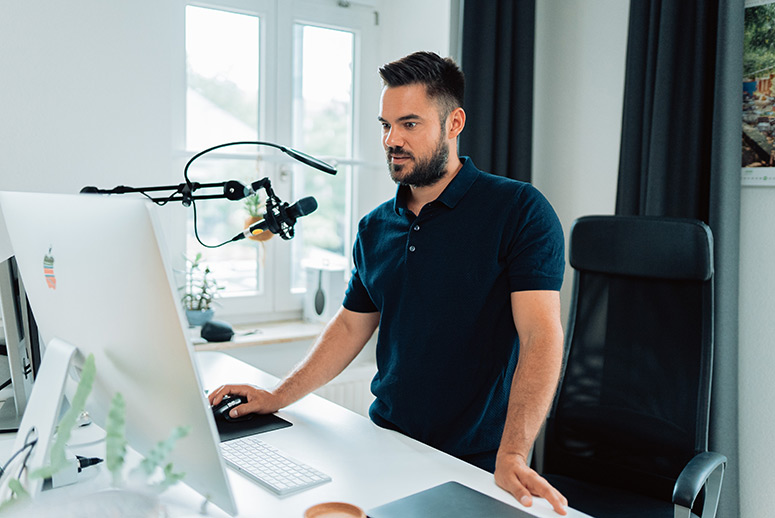
Launching a podcast is a great way to share your ideas, stories, or expertise with the world. If you are considering launching a podcast, then it is important that you follow a guided process that not only helps you launch your podcast but also ensures that your podcast gets discovered by your audience.
1. Pick Your Podcast Niche
You need to define your — niche before you get into technical stuff related to podcasting. That is important for your content and your SEO.
Find out who your podcast audience is: Who do you want to listen to your podcast? Age, interest, location, and challenges to name a few.
Pick a specific topic: Find a subject matter that you are interested in and is within your skillset. This aids in producing coherent, captivating material.
Look for competition: Before jumping in,make sure that some has not already done it. Use SEO tools (e.g., Google Trends) or podcast directories (e.g., Apple Podcasts; Spotify) to discover currently trending topics.
SEO Tip: Incorporate long-tail keywords relevant to your niche in your podcast title and episode descriptions.
2: Set Up Your Podcast Brand
The brand your podcast communicates should encapsulate what your show is all about.
Podcast Title: Select a name that is memorable AND is descriptive enough to help with SEO. Make sure that the name is aligned with your niche.
Logo and Cover Art: Creatively design a logo. Podcast artwork must be at least 1400×1400 pixels in any direction, and ideally, even larger, to be accepted by podcast directories.
Tagline: Write an enticing, short sales pitch for your podcast that can attract new listeners. Use keywords to improve SEO.
SEO Tip: Leverage keywords in your podcast’s metadata — such as the title, description, and tags.
3: Create Your Content Strategy
But providing consistent quality content requires planning.
Format of the Episode: Are you doing interviews, storytelling, discussion, or education? Pick a format that works for your audience.
Episode Length: Pay attention to what your audience leans towards. The majority of podcasts are between 20 minutes and an hour long.
Mapping out a Schedule: Weekly, every 2 weeks, once a month? That is the most important thing to continue growing.
SEO Tip: Utilize SEO-friendly keywords in your episode titles, descriptions and show notes to boost visibility in search engines.
4. Get the Right Equipment
Good audio is essential to keep your audience engaged.
— Microphone: Get a good microphone such as the Audio-Technica ATR2100x or the Shure SM7B.
— Headphones: Use high-quality headphones to monitor the audio as it records.
Pop Filter: A pop filter removes unpleasant sounds made by problematic words (think: “P” or “B”).
Recording Software: Either free ones like Audacity or paid ones like Adobe Audition.
Hosting Platform: Select a podcast hosting service, such as Libsyn, Buzzsprout, or Anchor, to host and distribute your episodes.
SEO Tip: Add additional metadata such as title, episode number, tags, etc., to optimize your podcast files for SEO.
5: Record & Edit Your Episodes
For the Q&A, we simply record high quality audio in from of the mics (processing is a must).
– Find a quiet place: Reduce ambient noise to create quality audio.
— Use a script or outline: Aids you in staying on course and gives you an opportunity to present brief content.
– Editing: Silence that background noise and cut out the awkward pauses or breaks in the audio with editing software. You can also use your own intro/outro music.
Consistency: Be sure to maintain your podcast’s sound across its episodes.
SEO Tip: Transcribe Your Episodes, and Post The Transcripts on Your Website. Text is crawlable for search engines, which enhances discoverability.
6: Record & Distribute Your Podcast
Once your episodes are prepared, you need to get them published.
– Submit to Directories: Submit your podcast to popular platforms like Apple Podcasts, Spotify, Google Podcasts, and Stitcher.
RSS Feed: Your hosting service will supply you with an RSS feed that updates directories whenever you post new episodes.
Optimize Show Notes: Add keywords and a short explanation of the episode and any external links in order to help people find your podcast.
SEO Tip: Take advantage of structured data for podcasts (schema. org podcast markup) to enhance search results discoverability.
7: Market Your Podcast
Congratulations on launching your podcast, and now let’s promote it!
Social Media: Join the conversation using the hashtags for your episode (e.g., Instagram, Twitter, Facebook. Use relevant niche( use hashtags with good search frequency)
Guest Appearances: Partner with podcasters or influencers in your area to help increase your audience.
Build Email List: Create an email list and email new episodes. Add a call to action that motivates them to share the podcast.
Paid Ads: You may want to run paid ads on social media, especially when first launching, to branch out further.
SEO Tip: Check how can you repurpose your podcast into blog posts, infographics, or videos, depending on the niche and the content itself, so you can catch more people in your site and you can also improve your SEO.
8: Track And Grow Your Podcast
As your podcast progresses, tracking performance is becoming essential.
Analytics: Your hosting platform should have analytics that will help you know your audience, count downloads, find out which episodes are your most popular.
Reviews and Feedback: Ask your listeners to leave reviews on podcast directories, reviews are one of the main brands for ranking higher.
Refine Content: Tweak your content according to listener feedback and performance data. Try different formats or different topics to see what people respond to.
SEO Tip: Refresh your podcast description and episode title keywords regularly to maintain your SEO ranking.
Final Thoughts: Continue Improving and Stay True to Yourself
But starting a podcast is only the first step. Based on everything, consistency, quality content, and effectiveness are the keys to long-term success. Keep SEO in mind when creating your podcast by following these steps to land listeners and grow.
If you are on social media, don’t forget to engage with your audience and encourage them to share your podcast. Podcasting is a marathon, not a sprint, but with persistence, the rewards will come!